





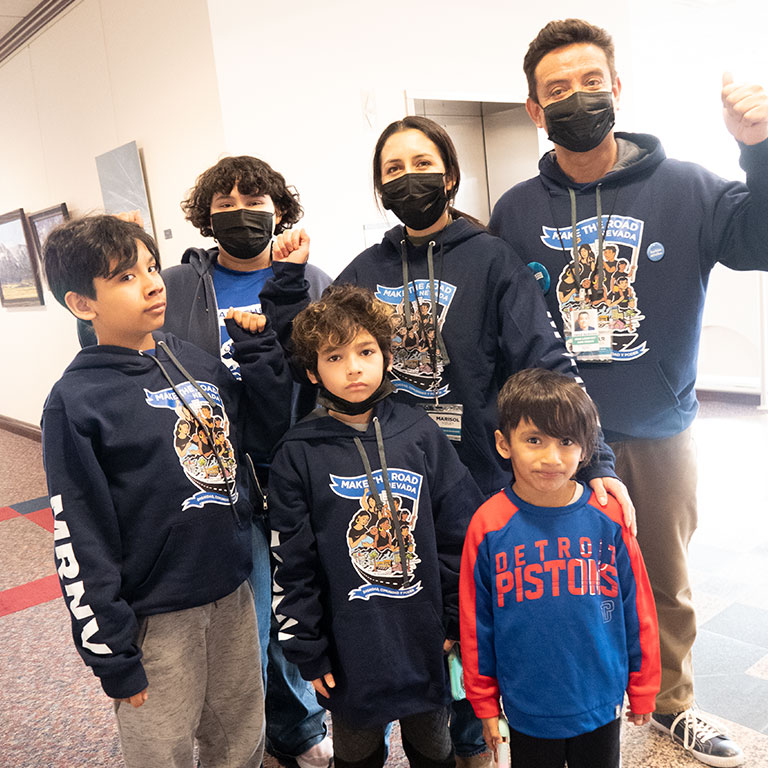
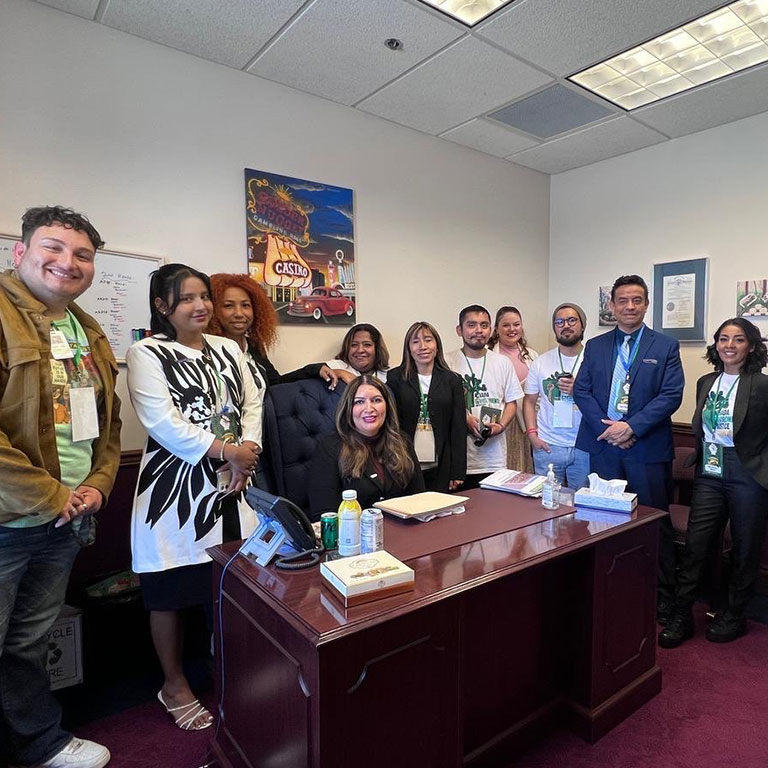
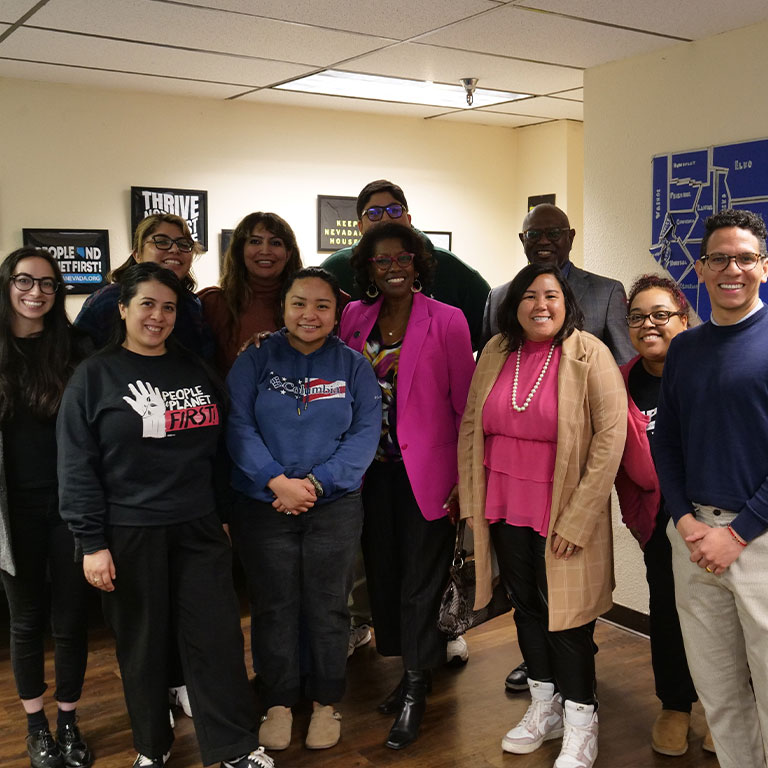
At a time when climate scientists tell us we have less than a decade to take action to avoid the worst impacts of climate change, we recognize the uneven distribution of adverse impacts on frontline communities, vulnerable populations, and future generations.
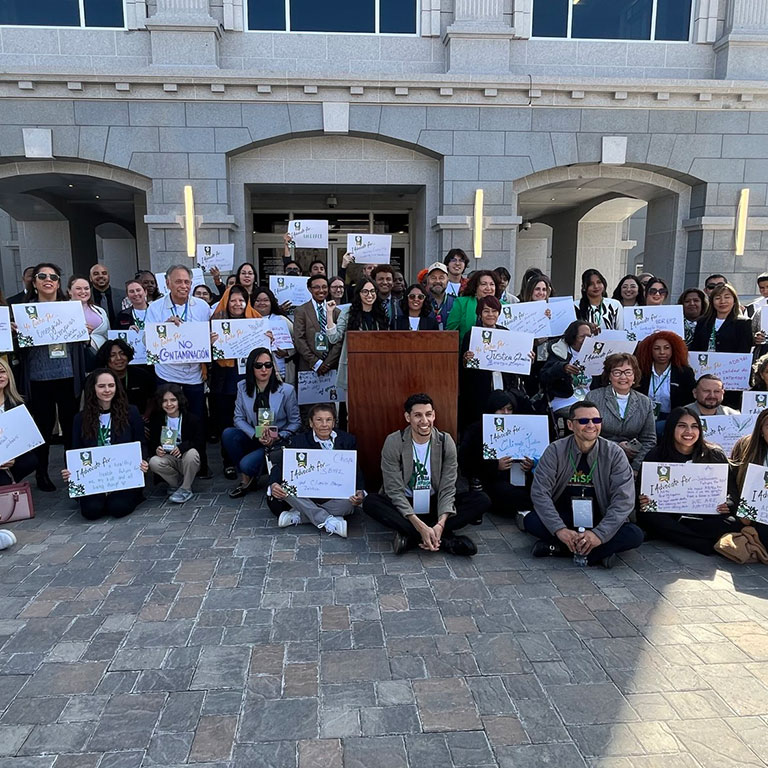
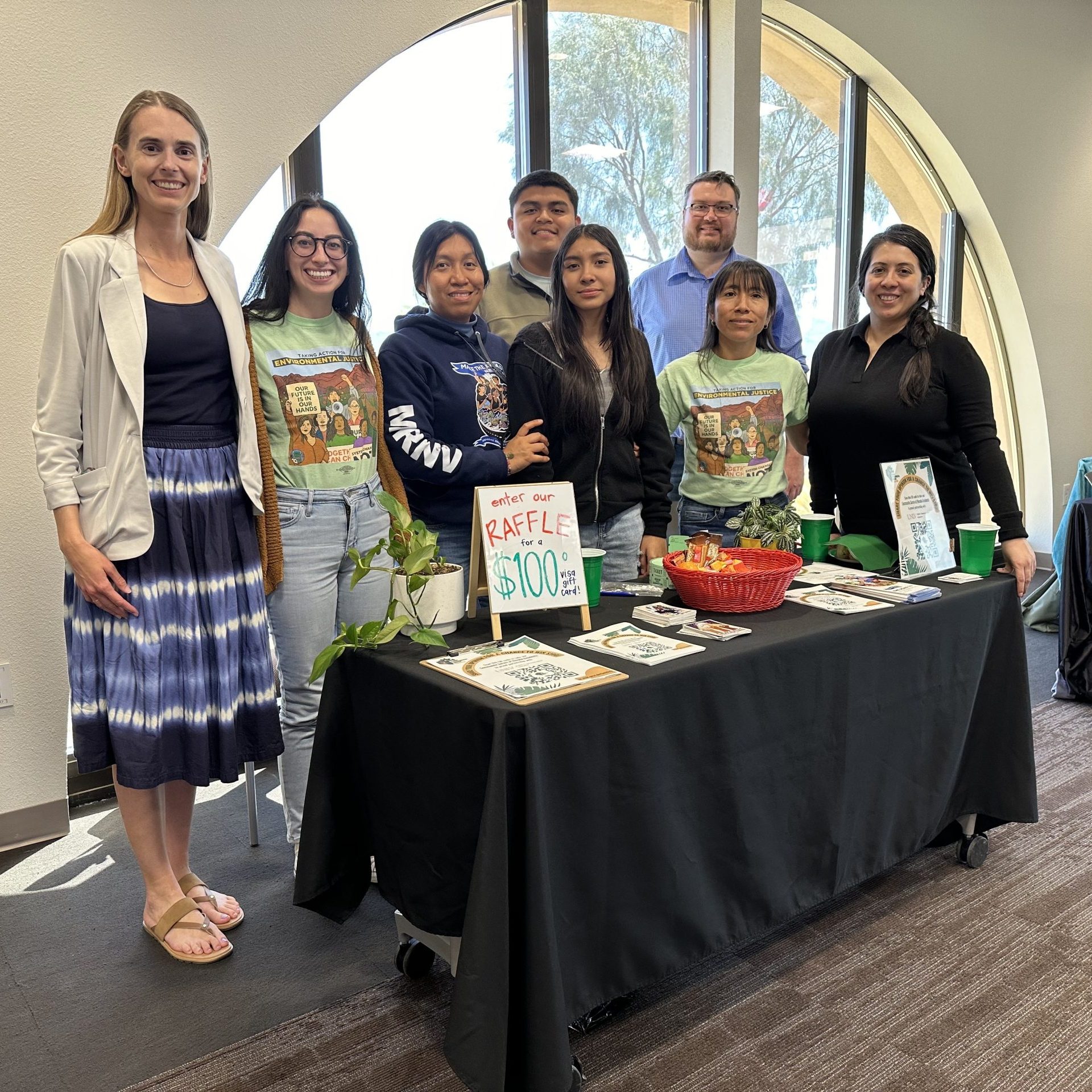
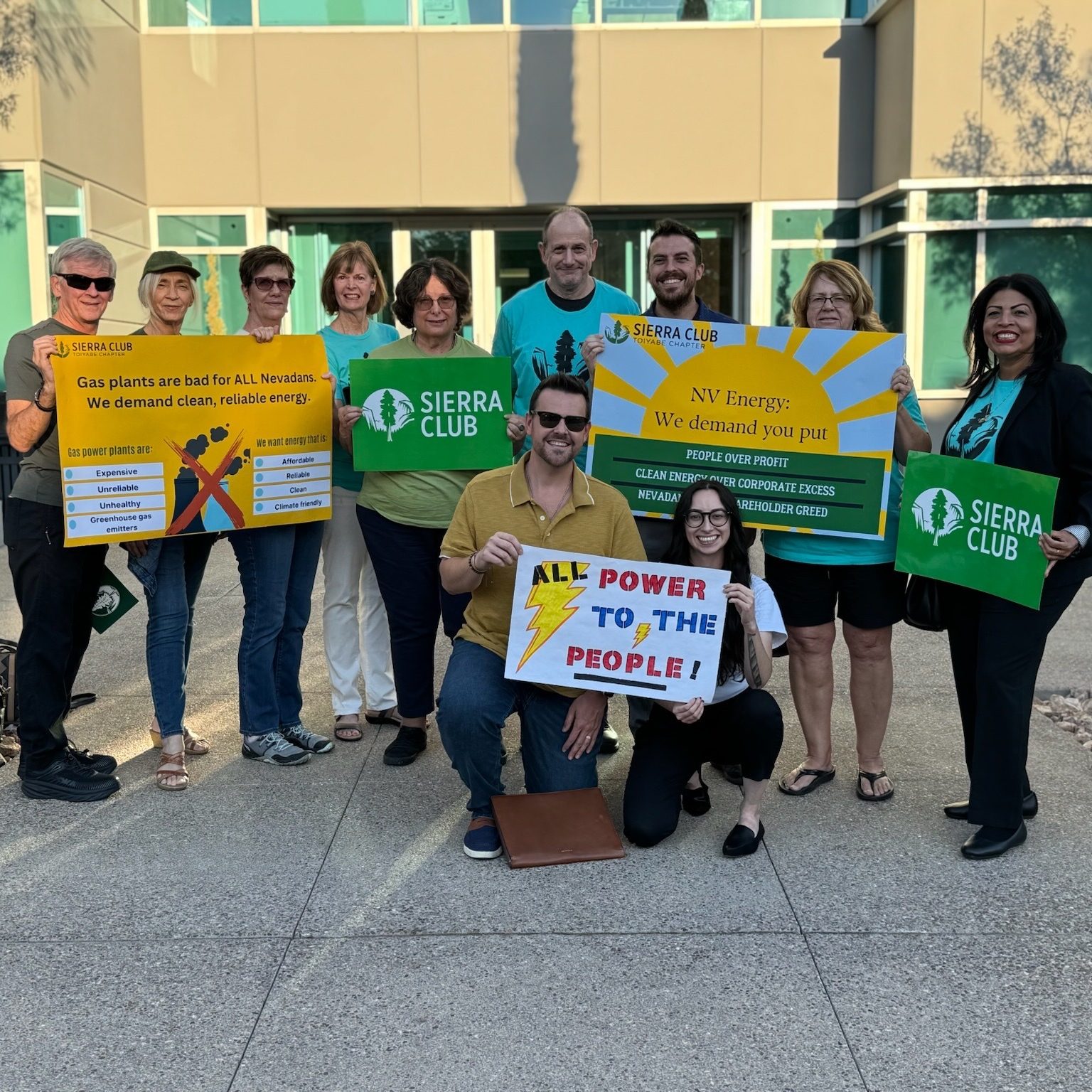
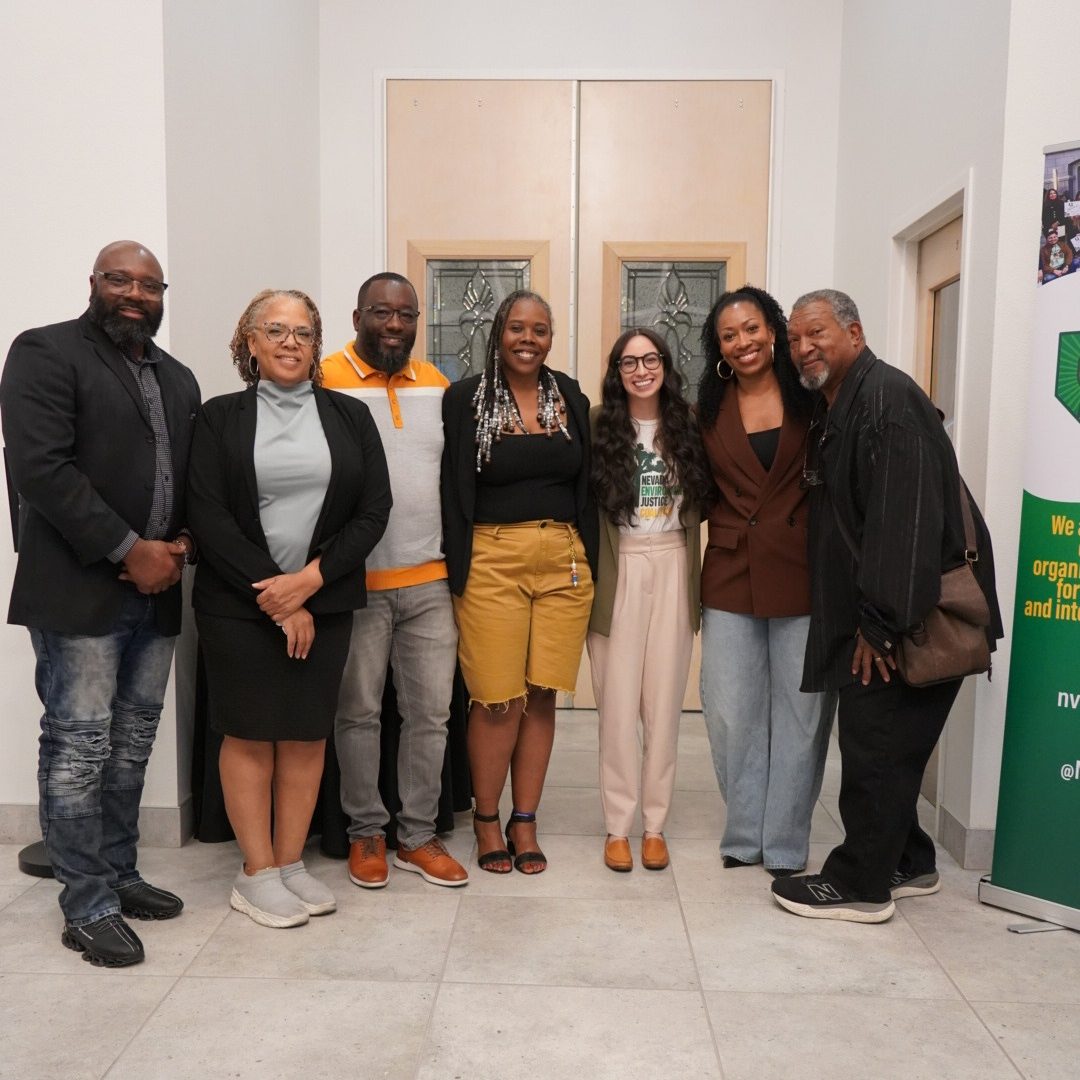
As a coalition dedicated to advancing environmental justice, we focus our organizing and outreach on communities of color and low-income communities who are both most likely to live closest to, and are disproportionately impacted by, pollution and other environmental burdens.

Building upon the history of environmental justice
The environmental justice movement of the United States has deep roots in both the civil rights and labor movements. This alignment of ideas and actions seeks to address the disproportionate environmental burdens faced by marginalized communities.
As Dr. Robert Bullard, who is known as the “Father of the Environmental Justice Movement”, articulated in July 1999, “environmental justice incorporates the idea that we are just as much concerned about wetlands, birds and wilderness areas, but we’re also concerned with urban habitats, where people live in cities, about reservations, about things that are happening along the US-Mexican border, about children that are being poisoned by lead in housing and kids playing outside in contaminated playgrounds.” His definition underscores the intersection of social, economic, and environmental struggles.
Environmental racism is the systemic placement of polluting industries, toxic infrastructure, and environmental hazards in communities of color – paired with disinvestment, political neglect, and limited access to clean air, water, and land.
Together, NEJC is working to prioritize justice in the fight to protect our state’s natural resources through a social and racial equity lens, to ensure a just transition away from extractive industries, and to liberate frontline communities from environmental hardships.
NEJC is a campaign of Make the Road Nevada.