The new fee structure would charge ratepayers based on the 15-minute period each day in which they use the most electricity.
By Jason Plautz | 03/16/2026 06:57 AM EDT
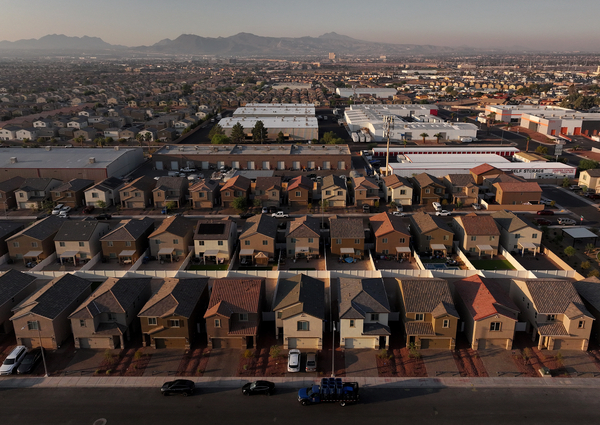
An aerial view of a housing development in Las Vegas. Justin Sullivan/Getty Images
Nevada’s largest utility will postpone the launch of a new rate structure that critics say could raise costs on households by changing the way they’re billed for electricity.
State regulators last year gave NV Energy approval to implement a demand charge on its southern Nevada customers that’s based on the 15-minute period each day when they use the most electricity — rather than tallying up their total use.
The new charge structure was set to take effect April 1. But NV Energy said last week it would delay implementation until Oct. 1 in order to better educate customers.
“Postponing the implementation of daily demand is the right decision for our customers,” NV Energy President Brandon Barkhuff said in a statement. “This additional time will allow us to provide customers with personalized information and practical tools so they can better understand how their energy use affects their bill before daily demand takes effect.”
The delay also pushes back the start of the new billing structure past the summer months, when electricity use is traditionally higher, as that’s when Nevadans run their air conditioners more often.
NV Energy faces legal and political challenges over the new rate design. The state attorney general’s Bureau of Consumer Protection sued the utility in December, saying the utility cannot mandate time-of-use billing and that the new design will unfairly hurt solar customers. That case is still ongoing.
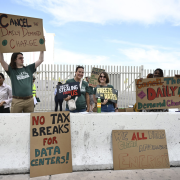
Environmental and clean energy groups also have called on Nevada Gov. Joe Lombardo (R) to step in and block the new charge. The Alliance for Solar Choice has circulated a petition pushing Lombardo to intervene and “implement real reforms to lower the price of electricity.”
Lombardo is running for reelection this fall and faces a challenge from state Attorney General Aaron Ford, a Democrat.
The rate design — which was approved for the more than 900,000 customers in the utility’s southern Nevada territory — is designed to encourage ratepayers to avoid straining the grid by using appliances or charging electric vehicles all at once. By reducing demand peaks, utilities say they can better serve customers with renewable energy and avoid building new generation or relying on high-emitting gas peaker plants.
The new rate design also changes the way customers with rooftop solar are compensated for the energy they send back to the grid. Rather than calculating total solar production and usage over a full month, customers would now get credit for excess energy over a 15-minute window. The utility has said that would reduce payments to solar customers and make the system more equitable between solar and nonsolar households.
NV Energy has said that nonsolar customers should not expect to pay more because it will reduce service charges and the monthly energy rate.
But critics have said the new design is too confusing and could leave households paying more at a time when electricity affordability is in the spotlight. Ratepayers may not have the flexibility to stagger the use of appliances to avoid a short period of high demand.
Jackie Spicer, coalition coordinator with the Nevada Environmental Justice Coalition, said that while the delay means working families will avoid the new charge during hot summer months, they’re still asking Nevada officials to stop the change in billing.
“The daily demand charge needs to be canceled completely, not paused for a later date,” Spicer said. “We want our governor and our lawmakers to treat this like the emergency it is for our communities.”